In today’s fast-paced digital landscape, businesses rely heavily on sophisticated software solutions to manage operations, enhance productivity, and drive growth. Acquiring the right enterprise software, however, involves more than just selecting a product; it requires a structured and efficient procurement process. This is where a well-designed enterprise software order form template becomes an invaluable asset for any organization.
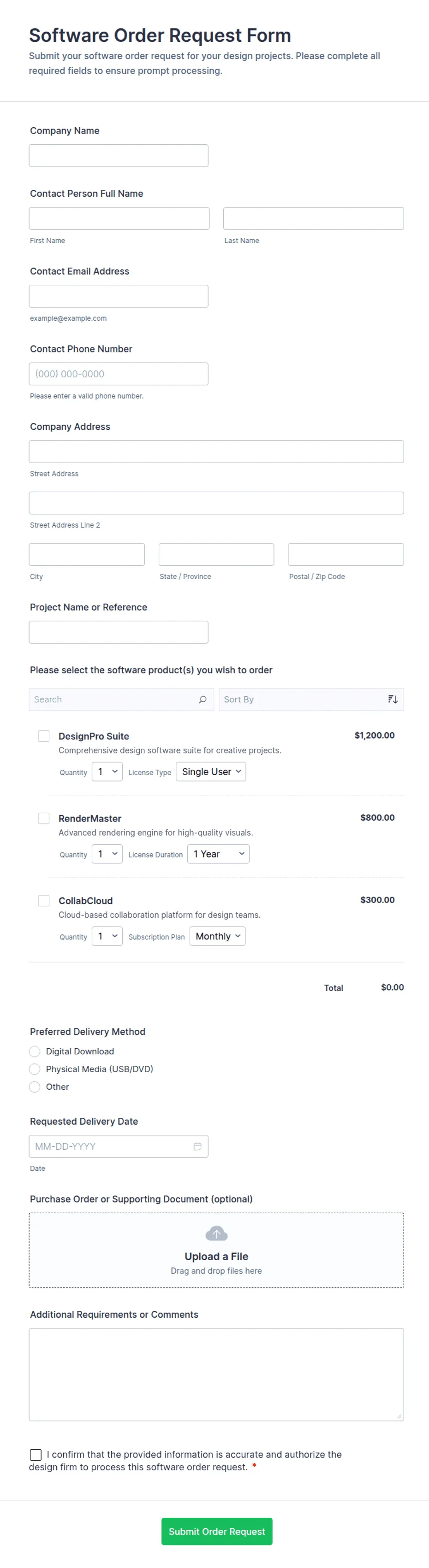
A standardized order form simplifies the complex journey from vendor selection to license acquisition, ensuring clarity, compliance, and accuracy. It acts as a clear communication tool between the buyer and the vendor, detailing every aspect of the software purchase, from licensing terms to support agreements. Using a ready-to-use template can significantly cut down on administrative time and prevent costly errors, making software procurement smoother for everyone involved.
The Importance of a Standardized Software Procurement Process
Streamlining the acquisition of enterprise-level software is crucial for operational efficiency and cost management within any business. Without a clear process, organizations risk inconsistencies, unauthorized purchases, and potential compliance issues. A standardized approach ensures that all software acquisitions follow established protocols, leading to better decision-making and resource allocation.
Implementing an enterprise software order form template as part of this process provides several key benefits. It creates a single source of truth for all order details, minimizing miscommunications and disputes with vendors. This formality helps in maintaining accurate records for auditing, budgeting, and future software asset management. Moreover, it empowers purchasing departments to negotiate more effectively, as all required information is consolidated and presented clearly.
Such a template also helps in avoiding vendor lock-in by clearly outlining terms and conditions, renewal dates, and exit strategies. It allows businesses to compare offers systematically and make informed choices based on their specific needs and budget. A robust procurement process, supported by a comprehensive order form, is a cornerstone of smart software investment.
Key Elements of an Effective Enterprise Software Order Form Template
Crafting an effective enterprise software order form requires careful consideration of all the details involved in a software transaction. It needs to be comprehensive enough to cover various scenarios, yet straightforward for both parties to understand and complete. A well-designed template typically includes several critical sections that ensure a complete and legally sound agreement.
These sections often cover essential information about both the buyer and the vendor, the specific software products or services being ordered, and the associated costs and payment terms. Including clear details about licensing models, such as per-user, per-device, or subscription-based, is vital. Furthermore, provisions for maintenance, support, and future upgrades should be explicitly stated to prevent misunderstandings down the line.
Consider adding fields for specific modules, user counts, deployment methods (cloud vs. on-premise), and any custom integration requirements. Legal disclaimers, data privacy clauses, and governing law sections are also non-negotiable for protecting both parties. A comprehensive template ensures that all contractual obligations and expectations are clearly laid out from the outset.
Sample Enterprise Software Order Form Template Structure
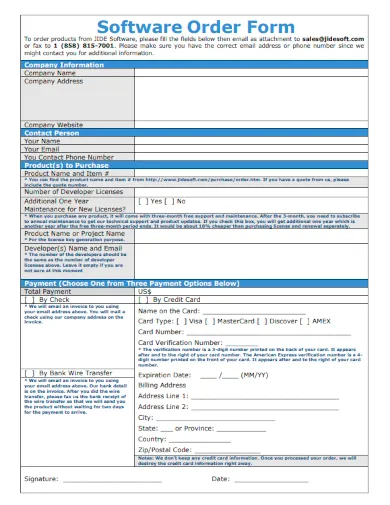
Here is a simplified structure that illustrates the key components typically found in an enterprise software order form template:
| Section | Key Information to Include |
|---|---|
| Order Information | Order Number, Date, Effective Date, Purchase Order (PO) Number |
| Buyer Information | Company Name, Address, Contact Person, Email, Phone |
| Vendor Information | Company Name, Address, Contact Person, Email, Phone |
| Software/Service Details |
|
| Pricing & Payment |
|
| Terms & Conditions |
|
| Authorization |
|
Customizing Your Enterprise Software Order Form Template
While a generic enterprise software order form template provides an excellent starting point, customization is often necessary to align it perfectly with your organization’s specific needs and industry standards. Every business has unique requirements, whether it’s regarding compliance, security protocols, or specific modules required for their operations. Tailoring your order form ensures it covers all these nuances without exception.
Personalizing the template involves adding sections relevant to your internal approval processes, departmental budgeting codes, or even specific technical requirements. For instance, if your company operates in a highly regulated industry, you might need to incorporate fields for specific certifications or audit trails. Customization also allows for branding elements, such as your company logo, which reinforces professionalism and consistency in all business documentation.
Adopting a robust enterprise software order form template is more than a convenience; it’s a strategic move towards more organized, compliant, and cost-effective software procurement. By using a well-structured and customizable template, businesses can significantly reduce administrative overhead, minimize errors, and ensure that every software acquisition aligns with their strategic objectives. This proactive approach supports better vendor relationships and more successful technology integrations for long-term growth.
The right template empowers organizations to navigate the complexities of enterprise software acquisition with confidence and clarity. It transforms what can often be a cumbersome process into a smooth, transparent, and legally sound transaction. Investing time in selecting or creating a comprehensive order form template will undoubtedly yield substantial returns in efficiency and risk mitigation.
